Small Steps,
Big Impact
Every tiny action contributes to significant change. Together, we can turn ordinary decisions into powerful catalysts for a healthier, thriving environment. Join us in making a big difference, one small step at a time.
How can you help?

Our Mother Nature, like a fragile and complicated living organism, is in grave and increasing danger. Over time, countless human activities have put immense strain on the its natural processes, bringing it closer to a tipping point where the delicate balance that sustains all life is being gravely disrupted. Without decisive and quick action, we risk irreversibly damaging these crucial processes, endangering not just numerous species but also humanity's future.What threats exactly currently pose a danger to our mother nature's ability to sustain life? Below are the threats that endanger our mother nature.
Mitigating the negative effects of these threats is a vital pursuit that requires a diverse and thorough approach. By addressing these areas, we can aim to lessen the impact of threats that seriously damage our natural environment, as well as promote a more sustainable and robust future for all.
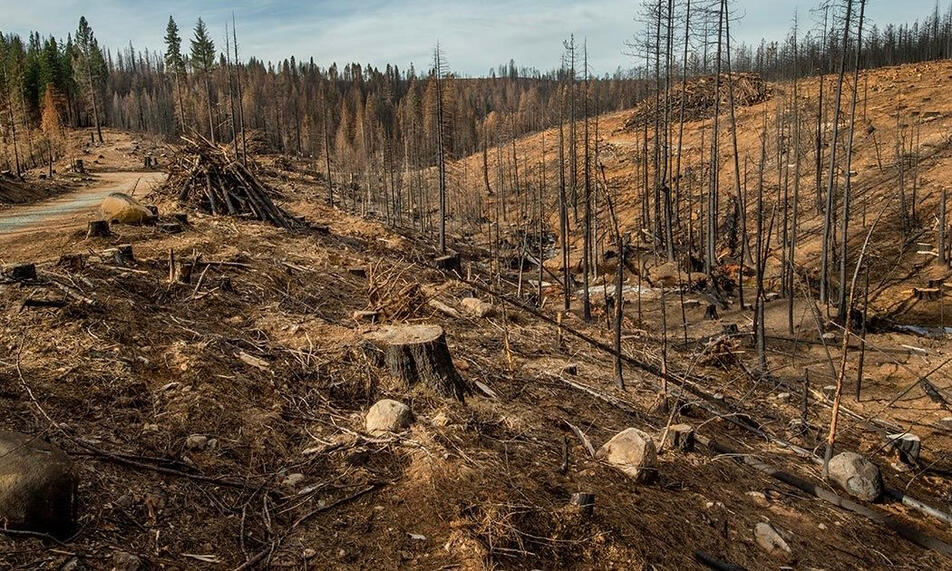
Forests, covering about one-third of the Earth's land, are vital ecosystems that support immense biodiversity and play a crucial role in human well-being. They purify the air and water, provide food, jobs, and fuel for billions of people, and act as a frontline defense against climate change by absorbing carbon dioxide. Unfortunately, these ecosystems face significant threats from deforestation and degradation, driven by agricultural expansion, infrastructure development, logging, and other activities. The destruction of forests not only harms biodiversity but also has far-reaching impacts on human health and exacerbates climate change.Tropical rainforests like the Amazon are especially vulnerable, as they harbor a large proportion of the world's biodiversity but are rapidly being cleared, often for cattle ranching. The loss of these forests poses serious risks to countless species and to the planet’s future. Organizations like the World Wildlife Fund (WWF) have been working for decades to protect forests by promoting sustainable management, combating illegal logging, and pushing for trade reforms to ensure better protection of these vital ecosystems.
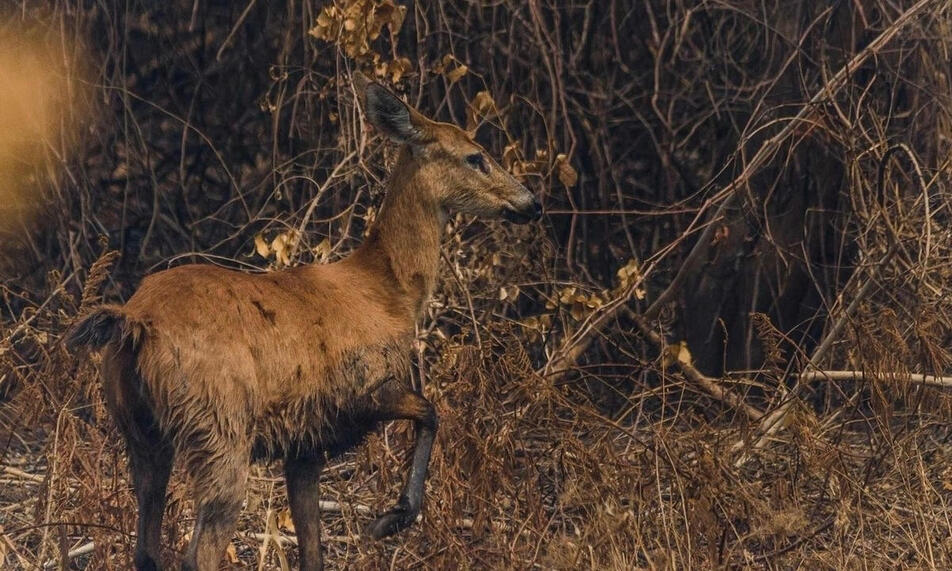
Biodiversity loss refers to the decline in biological diversity at genetic, species, and ecosystem levels in a specific area due to factors like death, habitat destruction, or human intervention. This can occur on various scales, from global extinctions to the loss of individual populations, leading to a reduction in overall diversity.Currently, human activities are putting more species at risk of extinction than ever before. About 25% of evaluated animal and plant species are threatened with extinction, meaning nearly one million species could face extinction within decades unless significant action is taken to reduce the key drivers of biodiversity loss. Without such efforts, the already accelerated rate of species extinction—which is tens to hundreds of times faster than the historical average over the past 10 million years—will continue to increase.
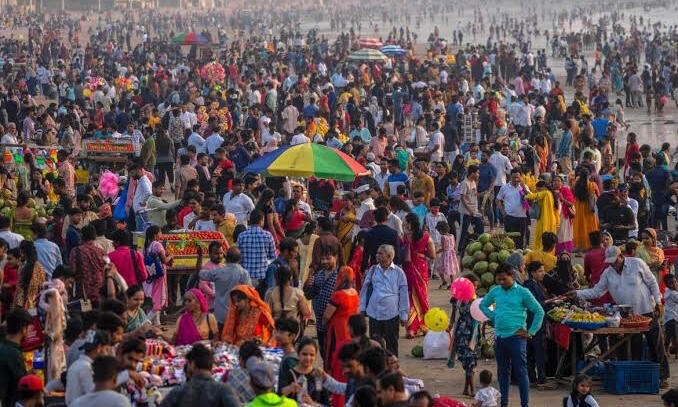
The magnitude of the threat to the ecosystem is linked to human population size and resource use per person. Resource use, waste production and environmental degradation are accelerated by population growth. They are further exacerbated by consumption habits, certain technological developments, and particular patterns of social organization and resource management.As human numbers further increase, the potential for irreversible changes of far reaching magnitude also increases. Indicators of severe environmental stress include the growing loss of biodiversity, increasing greenhouse gas emissions, increasing deforestation worldwide, stratospheric ozone depletion, acid rain, loss of topsoil, and shortages of water, food, and fuel-wood in many parts of the world.It is only logical that an increase in the world’s population will cause additional strains on resources. More people means an increased demand for food, water, housing, energy, healthcare, transportation, and more. And all that consumption contributes to ecological degradation, increased conflicts, and a higher risk of large-scale disasters like pandemics.
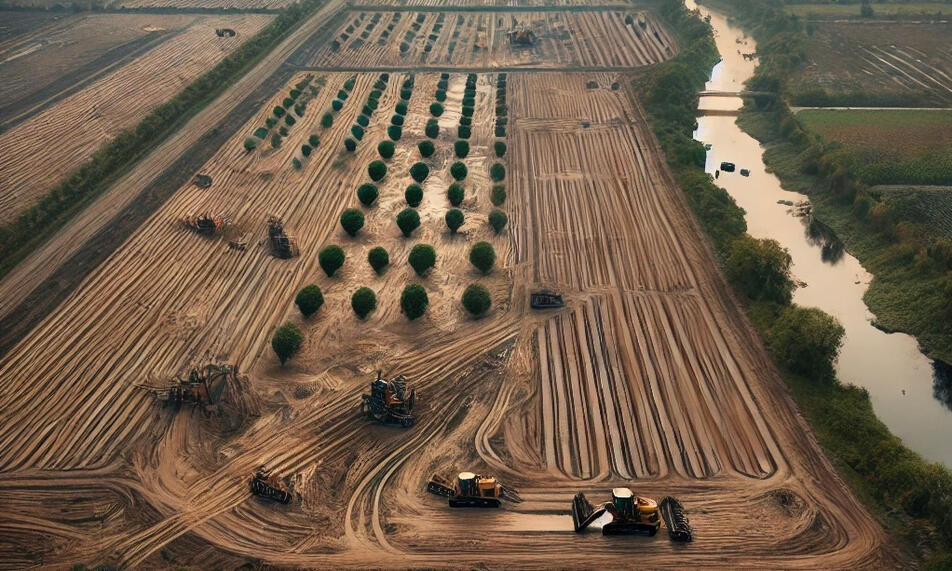
Unsustainable agriculture involves practices that degrade the quality of soil, land, and other essential natural resources needed for farming and a sustainable future. Most of today’s agricultural systems are out of balance, placing significant stress on Earth’s life support systems. Modern agriculture often relies on monoculture, where growing a single crop, such as corn, leads to unstable ecosystems. This lack of biodiversity eliminates natural predators for pests, increasing the need for synthetic pesticides. Additionally, monocultures lack deep-rooted plants to prevent soil erosion and species that can naturally replenish soil nutrients, resulting in the use of chemical fertilizers. Globally, farmland is deteriorating, raising concerns about how future generations will sustain themselves. The impacts of unsustainable agriculture are widespread, including land degradation, soil erosion, and the depletion of nutrients. The aggressive exploitation of farmland, combined with chemical use, has created challenging conditions for crop growth, contributing to food insecurity and poverty. Furthermore, crops contaminated by chemicals and GMOs exacerbate these issues. Human health is also at risk, as pesticide-laden and GMO-altered crops lead to nutrient deficiencies and potential long-term health concerns, making it one of the greatest victims of unsustainable agricultural practices.
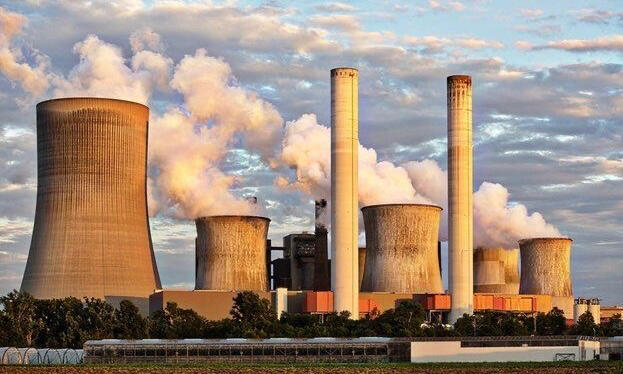
Renewable energy production, while intended to be environmentally friendly, often has unintended consequences for wildlife and ecosystems. The construction and placement of energy sources such as wind turbines and solar farms lead to significant habitat loss, as these installations occupy space that plants and animals depend on. Wildlife destruction is also a concern, with wind turbines posing a direct threat to birds and bats, which can be injured or killed by the spinning blades. Land damage occurs as the natural landscape is altered during the construction process, destroying vegetation and disturbing ecosystems. Additionally, animals are often displaced from their habitats, forced to find new homes, which can negatively impact their survival. For instance, solar energy developments in the Mojave Desert threaten the endangered desert tortoise, a species that can live up to 80 years, but whose habitat is shrinking due to energy infrastructure. These examples highlight the need for a balanced approach to renewable energy development, one that takes into consideration both clean energy goals and the protection of local ecosystems. Without careful planning, the drive for sustainable energy can inadvertently harm the very environments it aims to protect.
In this sector, we focus on how you, as an individual, can help lessen the effects of these threats to our mother nature—in your own neighborhood and on the other side of the planet.Loss of Biodiversity: To mitigate the effect of this issue, create wildlife corridors to link separate habitats, helping animals move and thrive. Support conservation efforts—such as reforestation, anti-poaching initiatives, and the restoration of wetlands—that protect ecosystems, safeguard endangered species, and promote sustainable land use. Work together with local communities and governments to protect important habitats, ensuring that nature and people can live in balance for the future.Population Growth: To manage population growth sustainably, it is essential to promote widespread access to family planning services and comprehensive education. Family planning allows individuals and couples to make informed decisions about the number and spacing of their children, helping to prevent unintended pregnancies. This, in turn, helps to reduce the strain on natural resources and social infrastructure. Education, particularly for women, plays a critical role, as it often leads to lower fertility rates, improved health outcomes, and greater economic opportunities, all of which contribute to sustainable population management.Deforestation: To combat this issue, it is crucial to encourage and implement sustainable forestry practices that balance ecological health with economic needs. This includes promoting methods that minimize environmental impact, such as selective logging and reduced-impact logging techniques. Additionally, we should invest in comprehensive reforestation programs that not only restore lost forests but also enhance biodiversity, improve soil health, and sequester carbon. These initiatives can help ensure that forest ecosystems thrive for future generations while supporting local economies and communities dependent on forest resources.Overuse of Renewable Energy: To address this issue, it is essential to optimize energy consumption through smart grid technologies that enhance efficiency and adaptability. Investing in advanced energy storage systems, such as batteries and pumped hydro storage, is crucial to balance supply and demand effectively. These systems can store excess energy generated during peak production times and release it during periods of high demand, ensuring a reliable energy supply. Additionally, implementing demand response programs can encourage consumers to adjust their energy use based on availability, further stabilizing the grid and maximizing the benefits of renewable energy sources. By prioritizing these strategies, we can harness the full potential of renewable energy while ensuring a consistent and dependable power supply.Unsustainable Agriculture: . To combat the effect of this threat, it is essential to promote sustainable farming methods that enhance soil fertility and minimize ecological impact. Techniques such as crop rotation can improve soil structure and nutrient levels, reduce pest and disease cycles, and increase biodiversity. Additionally, embracing organic farming practices eliminates the use of synthetic fertilizers and pesticides, fostering a healthier ecosystem and promoting the growth of beneficial microorganisms in the soil. Supporting farmers through education, resources, and incentives to adopt these methods can lead to more resilient agricultural systems that ensure food security while protecting the environment for future generations.
Bibliography
World Wildlife Fund. (n.d.). Deforestation and forest degradation. World Wildlife Fund. Retrieved September 17, 2024,from https://www.worldwildlife.org/threats/deforestation-and-forest-degradationUnited Nations Office for Disaster Risk Reduction. (n.d.). Human-induced hazard (HIP). United Nations Office for Disaster Risk Reduction. Retrieved September 17, 2024,from https://www.undrr.org/understanding-disaster-risk/terminology/hips/en0008Population Media Center. (2024). Overpopulation: Cause and effect. Population Media Center. Retrieved September 18, 2024,from https://www.populationmedia.org/the-latest/overpopulation-cause-and-effect
National Research Council. (2001). Climate change science: An analysis of some key questions. The National Academies Press. Retrieved September 18, 2024,from https://doi.org/10.17226/9148International Union for Conservation of Nature (IUCN). "IUCN – International Union for Conservation of Nature." IUCN, 2024, Accessed 19 Sept. 2024, from https://iucn.org/.
World Wildlife Fund. (n.d.). World Wildlife Fund. Accessed 19 Sept. 2024, from https://www.worldwildlife.org/Isha Foundation. (n.d.). 5 factors that threaten Mother Earth. Isha Sadhguru. Retrieved September 22, 2024, from https://isha.sadhguru.org/en/blog/article/5-factors-that-threaten-mother-earth
Global Plan of Action. (n.d.). Unsustainable agriculture. Retrieved September 22, 2024, from http://www.globalplanofaction.org/unsustainable.htmlEndangered Species Coalition. (n.d.). How renewable energy impacts biodiversity. Endangered Species Coalition. Retrieved September 22, 2024, from https://www.endangered.org/how-renewable-energy-impacts-biodiversity/